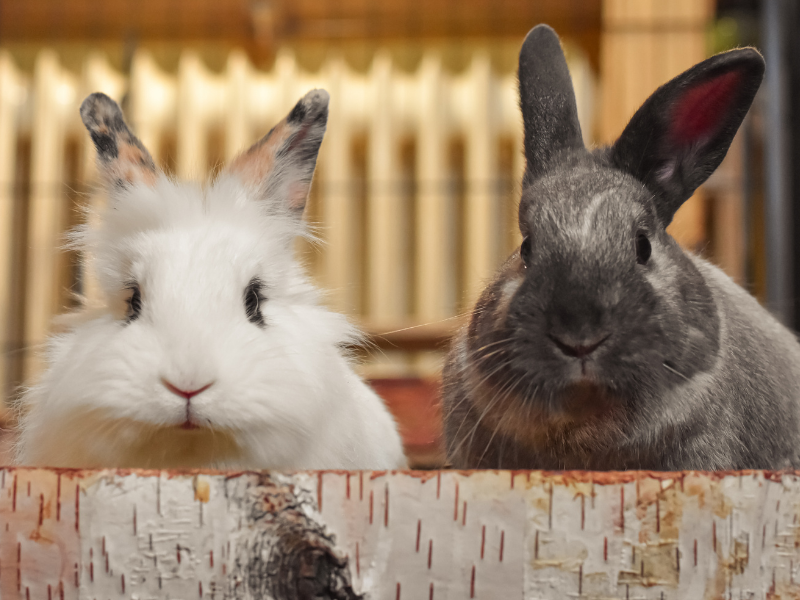
Feeding small pets might seem straightforward, but there’s so much more to it than meets the eye. With so many different species and diets to consider, it’s easy to fall into habits that don’t always give our pets what they truly need. UK Pet Food guides us through the essentials of small animal nutrition, helping us to ensure our animal companions are receiving balanced and complete diets to help them thrive.
When it comes to small furry pets, it’s easy to assume they all eat much the same things, but nothing could be further from the truth. Rabbits, guinea pigs, hamsters, chinchillas, degus, rats, gerbils and mice all have very different dietary needs and feeding the wrong food, even with the best intentions, can quickly lead to health problems.
From grass-grazing rabbits to seed-loving hamsters and protein-needing ferrets, these small mammals have evolved in very different environments, and this means their diets need to reflect those differences too.
In the wild, rabbits spend much of their day in open grasslands, feeding on tough, fibrous plants, while chinchillas, living in dry, mountainous regions, have sparse vegetation to feed on. In contrast, rats and mice are natural opportunists and live close to human settlements, so feed on a variety of foods – from grains and seeds to insects.
Such different environments have shaped very different diets for our small animals who now share our homes with us. While some species eat only plants, some need animal protein, and others sit somewhere in between.
This is why understanding what your specific pet needs to eat is one of the most important parts of responsible pet ownership. Feeding them well is vital to support their health and welfare.
As UK Pet Food’s ‘Love them madly, Feed them wisely campaign highlights, loving our pet goes hand in hand with feeding them in the way that’s right for them.
Understanding Small Pet Diets
Despite their size, small mammals have highly specialised digestive systems. Food that is perfectly suitable for one species can be completely inappropriate for another.
That’s why it’s so important to seek advice from vet and pet professionals on a diet that’s specific to your pet. They can offer practical guidance on what to feed, how much to give, and how often.
The UK Pet Food website is also a great place to go for clear, evidence-based information, covering feeding advice for specific small mammal species, covering feeding advice for specific small mammal species.
Small mammal health & nutrition advice | UK Pet Food
Different species, Different needs
Small mammals broadly fall into three dietary groups: herbivores, carnivores and omnivores. Understanding which group your pet belongs to is the first step towards feeding them a healthy, balanced diet.
Herbivores: Rabbits, Guinea Pigs, Chinchillas and Degus
Herbivores eat only plant-based foods, and they all share one essential requirement: a constant supply of good-quality hay or grass every day.
Hay isn’t just food; it’s vital for digestive health and helps wear down continuously growing teeth. A constant supply of hay helps prevent dental disease and digestive problems, which are common in herbivorous small pets.
As a general guide, herbivores should eat a daily amount of hay roughly the same size as their body.
Importance of hay for small herbivores | UK Pet Food
Alongside hay or grass, they should also be fed a commercially prepared, species-specific pet food formulated to provide the right balance of vitamins and minerals. Feeding your pet a correctly measured portion of food each day is crucial, as overfeeding can lead to obesity, while underfeeding can result in nutrient deficiencies. Always follow on-pack feeding instructions on your pet’s food.
Fresh foods can be offered in small amounts for variety, rewards and enrichment. A daily handful of suitable leafy greens and herbs can be included, but these should complement, not replace their hay. Sudden changes or too many fresh foods can cause digestive upset and may stop your pet from eating all the fibre they need to stay healthy.
Remember, herbivores’ diets and needs vary, so choosing food specifically designed for them can ensure they receive the nutrition they need.
Carnivores: Ferrets
Ferrets are known as obligate carnivores, which means they rely on animal-based protein to stay healthy and cannot thrive on a vegetarian diet.
In the wild, ferrets hunt small prey, and their digestive systems are short and designed to process meat rather than plant material. Feeding inappropriate foods can quickly lead to nutritional deficiencies.
So, complete foods specifically designed for ferrets provide the correct balance of protein, fats and essential nutrients, and should form the basis of their diet, rather than foods intended for other small pets.
Omnivores: Hamsters, Gerbils, Rats and Mice
Omnivores eat a mix of plant-based and animal-based foods. Hamsters, gerbils, rats and mice are often thought of as herbivores, but in the wild they eat a varied diet that includes seeds, grains, grasses and insects. This means they need a broader range of nutrients to stay healthy.
A complete pet food formulated specifically for omnivorous species is the easiest way to ensure they receive the right balance of protein, carbohydrates, fats, vitamins and minerals.
Fresh foods can be offered occasionally for interest and enrichment, but these should always be suitable and given in moderation. Too many treats or inappropriate foods can quickly lead to obesity or digestive issues.
As with all small pets, species-specific feeding is essential. Food designed for herbivores will not meet the needs of omnivores, and vice versa.
Don’t Forget Water
Fresh drinking water is essential for all small mammals and should always be available to your pet.
Clean water supports digestion, temperature regulation and overall health. Although many owners provide specially designed water bottles with metal spouts, which help keep water clean, some pets may prefer a heavy bowl. Offering both can help you understand your pet’s preference.
Water containers should be checked and cleaned daily, and any spills cleared up quickly to keep bedding dry and comfortable.
How You Feed Matters Too
Choosing the right food for your small animal companion is only part of the picture. How you feed your pet can also have a big impact on their wellbeing.
In the wild, small mammals spend much of their time searching for, gathering and eating food. By feeding them in a way that encourages these natural behaviours, we can help to keep them active, stimulated and engaged.
Simple feeding enrichment can:
- Help prolong feeding time
- Reduce boredom
- Encourage natural behaviours like foraging, digging and stretching
- Support dental health for species with continuously growing teeth
- Help prevent obesity by keeping pets moving.
For herbivores such as rabbits and guinea pigs, spreading food around their enclosure encourages natural foraging. Hanging hay or placing food at different heights can promote movement and stretching. Even something as simple as stuffing hay, herbs or suitable vegetables into cardboard tubes can make feeding time more interesting.
Feeding enrichment doesn’t need to be complicated. Small changes can make a big difference to your pet’s daily routine and quality of life.
So, let’s bust some of those small pet feeding myths:
“All small furry pets eat roughly the same foods.”
Different species have very different nutritional needs. Feeding a generic “small animal” mix can lead to nutrient imbalances and health problems.
“Hay is just bedding, not food.”
For herbivores, hay or grass should make up the majority of their diet and is essential for both digestion and dental health.
“Treats don’t matter if the main diet is correct.”
Even small amounts of high-energy or unsuitable treats can unbalance your pet’s daily intake and increase the risk of weight gain and related health issues.
“Fresh food is always better than pet food.”
While fresh foods can play a role, complete, species-specific pet foods are carefully formulated to provide the right balance of nutrients.
“Seeds and mixes are fine for all small pets.”
Seed mixes are only appropriate for omnivorous species such as hamsters and rats. Herbivores like rabbits and guinea pigs should not be fed mixes containing whole seeds or nuts. If feeding a mix, it’s important your pet eats the full portion to avoid selective feeding.
A Healthy Habit For Life
Feeding our small pets the right food, in the right way, supports their long-term health, wellbeing and quality of life, and plays a big part in keeping them happy, active and thriving.
Want to learn more? Check out www.ukpetfood.org for factsheets and posters on caring for your small pet.
Tell us about your small pet? Post a message on our social channels, include a pic or short video and tag us, using #PetPawsitivity and #NationalPetMonth. We’d love to hear from you.
Leave a Reply