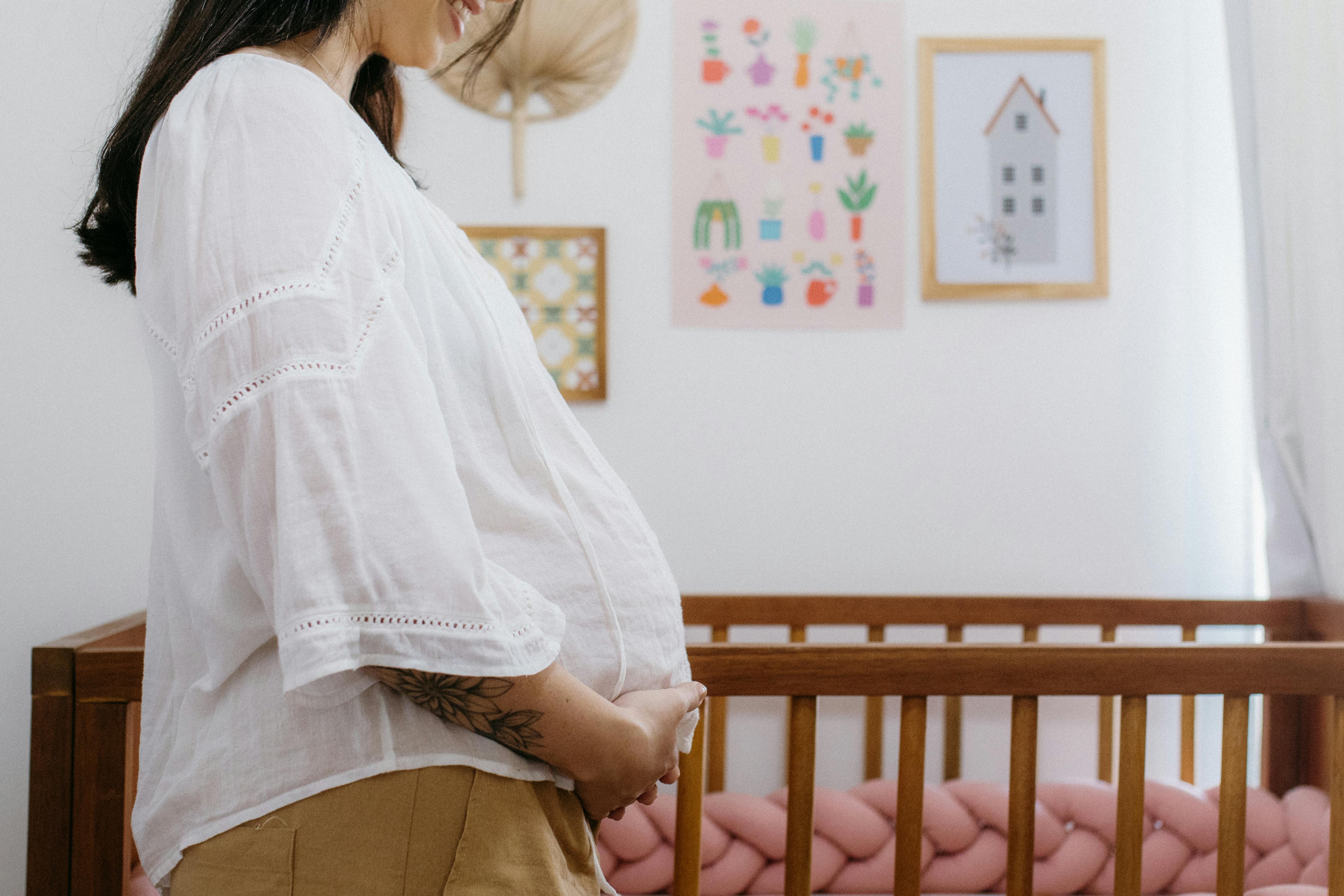
Our pets are part of our every day. So, when life changes for us, even in small ways, our animal companions experience changes too. Whether we’re moving house, going on holiday, grieving the loss of a loved one (human or animal), returning to the office, or celebrating the birth of a baby, it can all have an impact.
When routines change, it can feel unsettling for our pets. So, what simple steps can we take as responsible owners to help them through these times of transition?
In the first of a series of blogs during National Pet Month, here are some tips on how to help our dog adjust to life with a new baby.
CONGRATULATIONS!
Celebrating the arrival of a new baby is one of life’s great moments. The excitement, the anticipation, the joy of bringing them home and introducing them to family and friends. However, it’s easy to forget that this huge life event can bring big changes for our animal companions too. So, what can we do to ensure our pet adjusts safely and calmly to our new arrival?
What’s changed for your pet?
New sounds, new smells, new routines and almost certainly less attention.
What can help your pet adjust?
• Introduce baby items before your new arrival comes home.
“Don’t wait for your baby to arrive before you start setting up new things,” says Dogs Trust.
“The earlier you start preparing your dog, the more time they’ll have to adjust and feel comfortable.”
• Dogs Trust advises setting up baby equipment gradually, such as:
- Baby Gyms
- Highchairs
- Mobiles
- Playpens
- Prams
- Toys
Allow your dog time to get used to them. Let them investigate, sniff the items at their own pace and build a positive association by giving them treats, chews, a game or fuss whenever you introduce something new.
BABY SOUNDS
• Baby sounds can come as a shock to your pet, so play baby noises at home. Play our collection of sociable and soothing sound clips here.
Begin by playing these sounds at a very low volume while your dog is doing something they enjoy, such as playing or eating.
All the time your dog remains calm and relaxed, keep gradually increasing the volume over a few weeks. If your dog appears anxious or worried, stop the recording and, next time, reduce the volume.
BABY SMELLS
• Introduce baby smells to your home. Ask friends with babies for some unwashed baby clothes and blankets.
Be careful not to overwhelm your dog, so let them investigate in their own time. Again, it’s important you associate them with something your dog finds enjoyable such as a treat, a fuss or a fun game.
ROUTINE CHANGES
• Think about how your dog’s routine may change when baby arrives. Introduce changes long in advance of your due date so your canine companion has time to get used to a new routine.
This may include:
- Less attention from you, or attention at different times of the day
- Shorter walks
- Restricted access around the house
- More visitors, such as healthcare visitors; introducing baby gates will help restrict access when people come to see the baby.
TRAINING TIPS
• Teach your dog they can feel comfortable being on the other side of a gate from you. Use a treat or a stuffed interactive feeder to help them relax by themselves when it’s useful to have them safely out of the way.
• Consider teaching your dog to feel confident and comfortable relaxing within a crate so they can be placed there when visitors come.
PRACTISE BY CARRYING A BABY DOLL
• Carry and interact with a life-like baby doll so your dog can see you holding and talking to a ‘baby’.
If your dog jumps up, do not give them attention, but do reward them for keeping all four paws on the ground.
Try dropping treats whenever you pick up the doll until your dog starts to automatically put their nose to the floor when they see you pick up the doll. Continue to reward them for not jumping up.
• Always give your dog a quiet, safe area to retreat to and NEVER leave your baby and canine companion alone together.
More tips from Dogs Trust here.
Do you have any new baby and your pet stories to share with us? Tag us on social. #NPM26 #PetPawsitivity #NationalPetMonth
Leave a Reply